Sideline Trophy Co · buyer guide
Squad trophies versus personal athlete keepsakes
For a worldwide Sideline Trophy Co order, a squad trophy records the team’s approved achievement in one shared object, while athlete keepsakes provide individual ownership. A combined program needs separate quantities and inscriptions for both. Decide where the shared trophy lives and which athletes receive personal pieces before comparing the complete designs.
Reviewed 2026-09-05 · AI-assisted editorial review. General buying guidance; illustrative scenarios are not customer case studies. Images are AI-generated concepts.
What should the squad trophy recognize?
A shared trophy should identify the approved team achievement, season and squad identity. It may record a competition result or a gym-selected occasion, but those statements should remain distinct. Ask the responsible program owner to supply the exact public wording rather than choosing a stronger-sounding title from a catalog example.
If the trophy represents general season participation, do not imply that it is an external championship award. The recognition can still be meaningful as a shared record. Keep any official placing statement tied to the event's approved result, while internal spirit or service recognition follows the gym's own authorized program.
Award Generator distinguishes participation recognition from achievement recognition.


Who should own the shared trophy after the banquet?
Name the owner and custodian before the presentation. The object may remain in the gym, belong to a school or have another approved destination. The athlete who holds it in a photograph should not automatically become its permanent owner or the person responsible for transporting it afterward.
If the trophy moves between squads for photographs, record those as temporary uses of one object. A shared display can appear in several moments without increasing the purchase quantity. Give the final custodian the appropriate handling and packing instructions for the actual construction, especially if the trophy must travel after the event.
Which athletes receive personal keepsakes?
Use the program's approved recipient list and decide whether the keepsake is per athlete, per squad participation or per distinct achievement. A crossover athlete can have several team relationships while receiving one season piece. The owner of the recognition program should resolve that policy before quantities are calculated.
Do not infer the personal count from the number of people attending the banquet or appearing in the squad photograph. Approved absent recipients may still need a later handoff. Keep exact public names and internal item references together so the supplier receives a clear personal-recognition schedule without unnecessary private registration data.
How should personal and squad inscriptions differ?
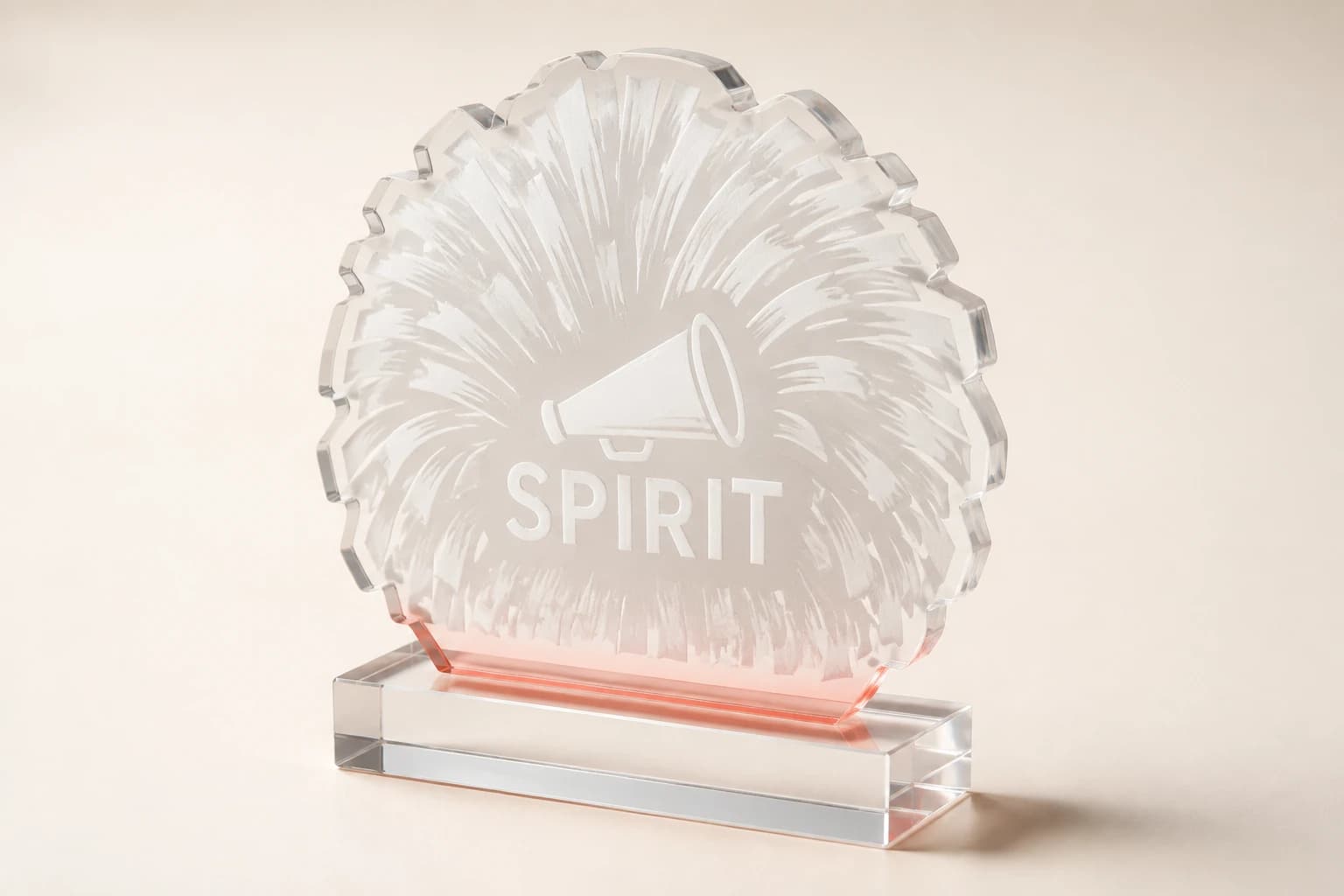
The squad object can emphasize the team, approved result and season, while the personal keeper can emphasize the athlete's name and connection to that occasion. Related artwork can tie them together without requiring identical wording or equal proportions. Review the two complete layouts as a pair.
Use the longest approved athlete name and squad title when testing the personal design. A shared trophy may have room for text that would crowd a smaller keeper. Resolve the hierarchy and usable area before abbreviating names. A personal piece should remain understandable when displayed at home without the central squad trophy nearby.
Count athlete keepers and shared squad trophies
The fictional program approves forty-eight athlete keepers and two shared squad trophies. Enter forty-eight main pieces and two extras to confirm fifty objects. The tool does not decide who is eligible or who owns the squad trophies. Keep those approvals and the final handoff allocations in the accompanying worksheet.
Method: Multiply units by pieces per unit, then add separately entered categories and explicitly chosen spares. No eligibility or spare allowance is inferred.
Build your plan
Set spares yourself. This calculates the quantities you enter; it does not assume a recommended buffer.
Use the article’s example files
Sample rows are fictional planning examples. Replace them with authorized information and retain the approval references privately; this file is not a production release.
Should personal pieces be distributed before the team photo?
Choose the sequence with the banquet coordinator and the person managing the shared object. Giving athletes their individual pieces first can change how they gather and whether their hands are available for the planned photograph. The presentation should follow the actual space, people and confirmed handling instructions.
A shared trophy photo followed by personal handoffs is one workable arrangement, but the program can select another deliberate sequence. Keep personal packaging ready for the final take-home step. Do not assume a group order arrives in individual presentation units unless the quote states that scope and the receiving team has checked it.
How do you compare the complete program cost?
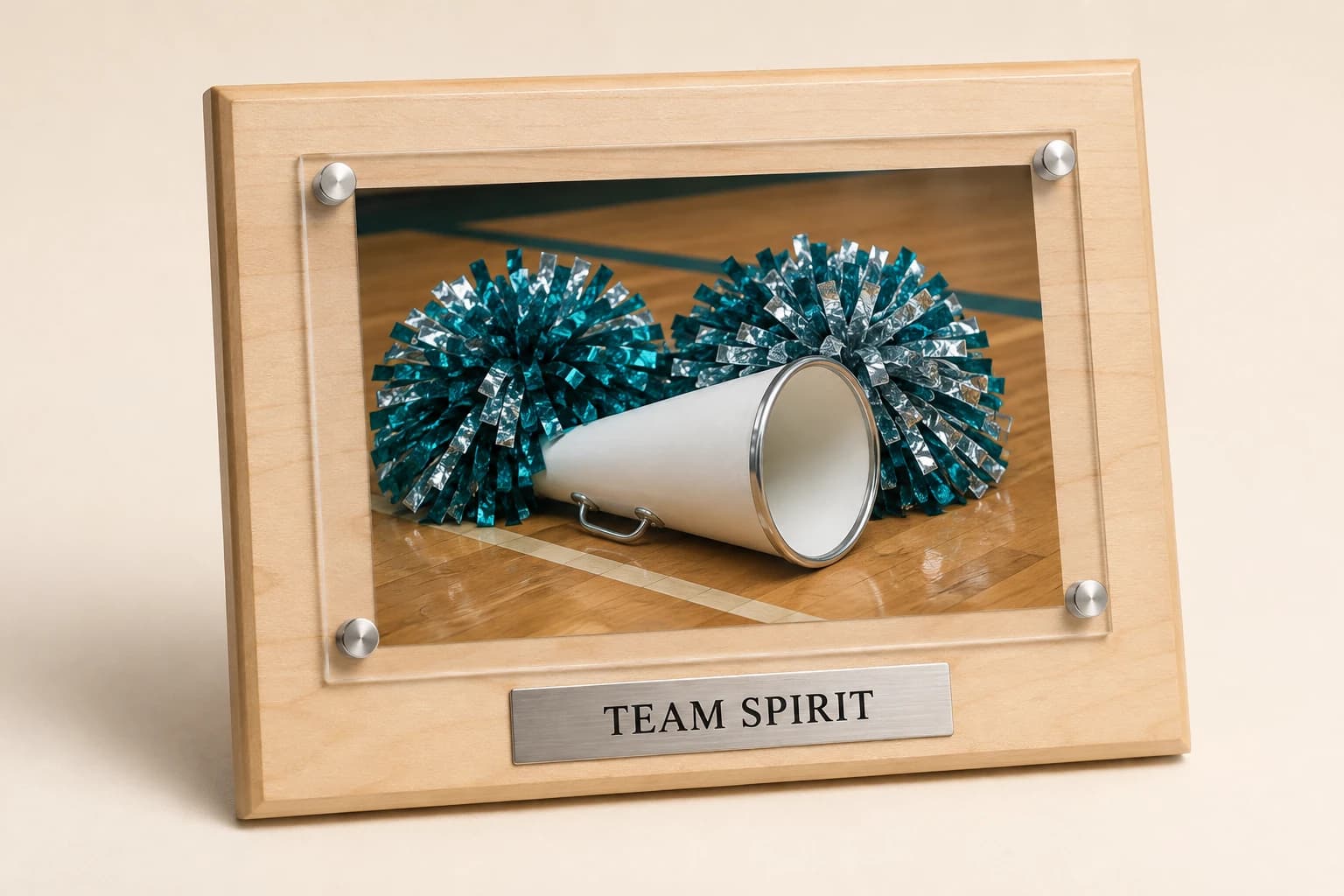
Ask for separate quantities and complete scope for the shared trophies and personal keepers. Include exact personalization, requested packaging and delivery allocation. A shared-only proposal and a combined proposal do not provide the same ownership experience, even when both are described as squad recognition.
If the total exceeds the budget, compare a simpler personal design, a revised shared object or a changed recognition scope openly. Do not quietly remove absent athletes or crossover recipients to reach a price. Those are program decisions with effects on who receives recognition, not interchangeable product substitutions the supplier should make during quoting.
What if one squad has a much larger roster?
The shared-object count can remain one per approved squad while personal quantities differ with the recipient list. A uniform team package may conceal that difference. State each squad's personal subtotal and any additional approved pieces so the quote does not assume all squads need an identical physical set.
The program may still choose a consistent personal design across squads. Larger roster size does not require a different level of recognition, but it does change inventory and distribution work. Review the longest names and actual packing allocations for every group instead of approving only the smallest squad's representative layout.
How should coach gifts fit alongside athlete recognition?
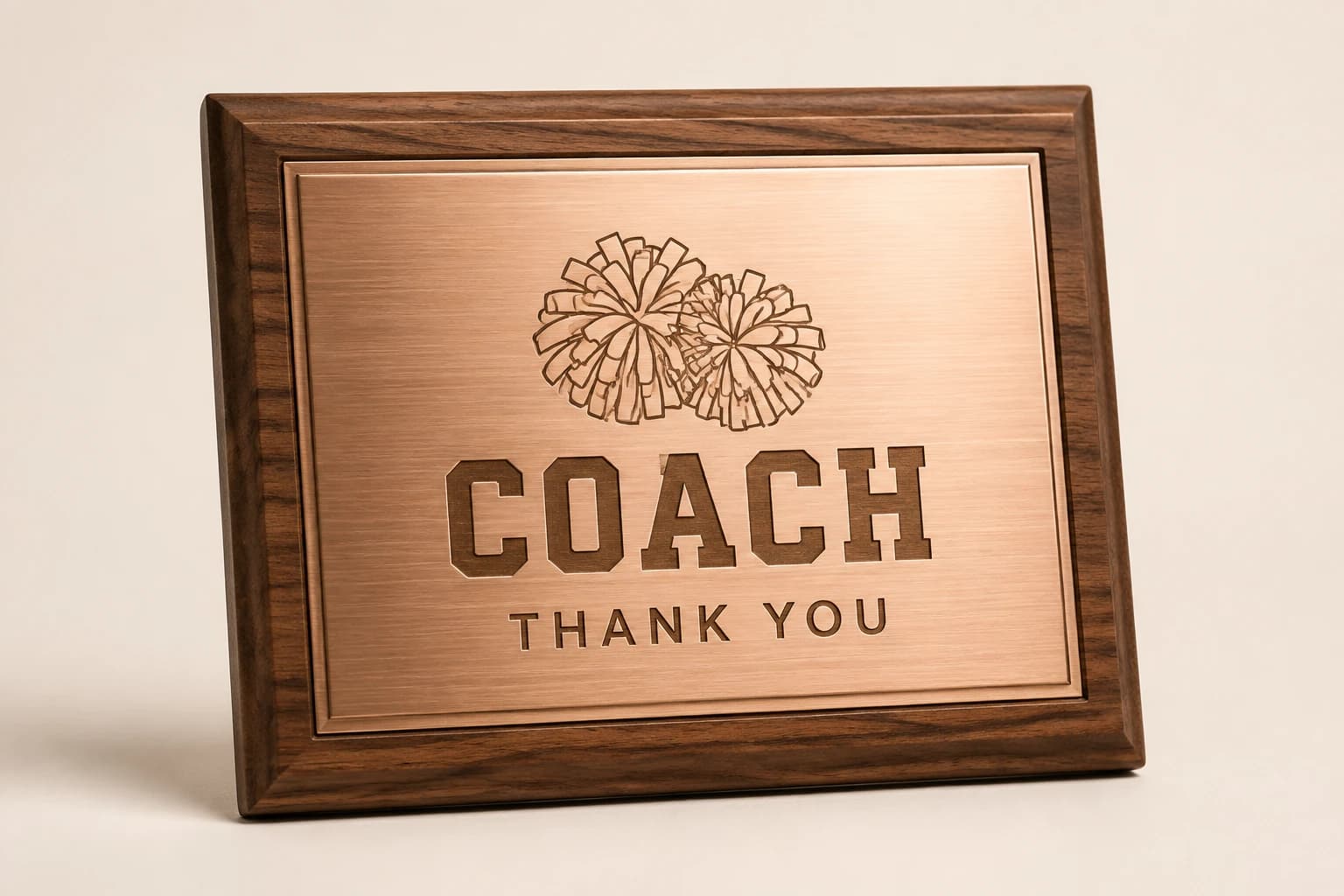
A coach gift can use a related style while remaining a separate appreciation category. Give it its own recipient, message and quantity. The coach should not be counted as another athlete merely because the same order includes both kinds of personal objects.
If the gift mentions service dates, a team result or a specific contribution, have the appropriate owner approve that statement. Keep the presentation sequence clear so staff appreciation does not accidentally replace a shared squad trophy or an athlete's personal handoff. A correct grand total can still contain the wrong mixture of recognition roles.
What should be checked before the order is closed?
At receiving, reconcile shared objects, personal inscriptions and any separate gifts against their approved subtotals. Then record the final owner or handoff for each group. A trophy displayed at the banquet does not prove that every athlete's personal keeper reached its intended recipient.
Retain the approved historical wording and item mapping for replacements. If an athlete changes squads later, a replacement for the original season should not automatically adopt the new team name. A new occasion can receive a fresh piece, while the earlier keepsake preserves the recognition the program actually approved at the time.
How does the illustrative example work?
A fictional program approves twenty-eight personal keepers for Squad A and twenty for Squad B. Each squad also receives one shared trophy. Forty-eight personal pieces plus two shared objects produces fifty in total: units 48, each 1, extras 2 and spares 0.
The worksheet gives Squad A twenty-nine objects and Squad B twenty-one. Those subtotals explain why two squads do not necessarily need equal packages. The assumed personal list has already been reconciled under the program’s recognition rule.
If two athletes miss the banquet, their pieces remain part of the fifty and move to a later handoff status. If the gym approves a separate coach gift for each squad, two additional category pieces raise the purchase to fifty-two. The coach gifts should receive their own wording and rows rather than changing the athlete count.
Which ownership arrangement fits the squad program?
Choose shared trophies for an organizational team record, personal keepers for individual ownership or a combined set when both serve the approved program. The difference extends beyond appearance: each option changes physical quantities, inscription priorities and final custody. Compare the complete handoff and display plan before selecting products.
| Option | Useful when | Decision to resolve |
|---|---|---|
| Shared squad trophy | The gym or school retains the team record. | Approved result, owner and display destination. |
| Personal athlete keepers | Each approved recipient takes a piece home. | Recipient rule, exact names and individual packing. |
| Shared and personal set | The program supports both team history and personal ownership. | Separate subtotals, paired proofs and presentation sequence. |
What should you know before ordering?
A squad trophy and an athlete keeper perform different jobs even when their artwork matches. The program should decide ownership, eligibility and presentation before the order is priced. These questions explain complete cost comparisons, absent recipients and shared-object custody so the final set delivers the recognition actually approved.
What should a combined squad-and-athlete quote include?
Ask Sideline Trophy Co for separate shared and personal quantities, selected constructions, exact personalization, requested packaging and delivery allocation. A shared-only price does not cover the same experience as personal take-home pieces. Compare the complete included scope, and make any budget-driven change to recipient coverage an explicit program decision.
Does every athlete need an individual trophy?
Only if the approved program chooses that format and quantity. A personal keepsake can differ from the shared squad object while preserving the same approved occasion. Decide whether the goal is individual ownership, a gym record or both before selecting a product family or calling the order a team set.
Who takes the shared trophy after the photograph?
Use the owner and custodian named by the program. Holding the trophy in a photo does not establish permanent ownership. The banquet team should know where it returns, who receives it afterward and how it will be handled or packed under the instructions for the actual construction.
Should absent athletes be removed from the personal count?
Not simply because they miss the banquet. Use the approved recognition roster and arrange a later handoff for eligible recipients. Keep their personalized pieces assigned and identifiable rather than treating them as spare stock or reducing the purchase to the number of confirmed attendees.
Can two squads receive different personal quantities but matching designs?
Yes. Their approved rosters can differ while the program uses one personal design family. Keep the actual squad subtotals visible and review difficult names in each group. A common style should not erase differences in the physical quantities or handoff allocations required by the recipients.
Sources and scope
The sources below support the cited technical details. The ordering workflows are editorial recommendations. Your project specification, price and schedule are established in the written quote and approved proof.
- Award Generator: End-of-Season Awards · checked 2026-09-05
Which buying guide should you read next?
All buying guidesChoose a per-athlete or per-squad recognition rule before counting crossover athletes, then keep approved achievements and presentation handoffs separate from roster appearances.
Keep coach appreciation and competitive recognition as separate categories inside one purchase, with their own wording owners, quantities and presentation deadlines.